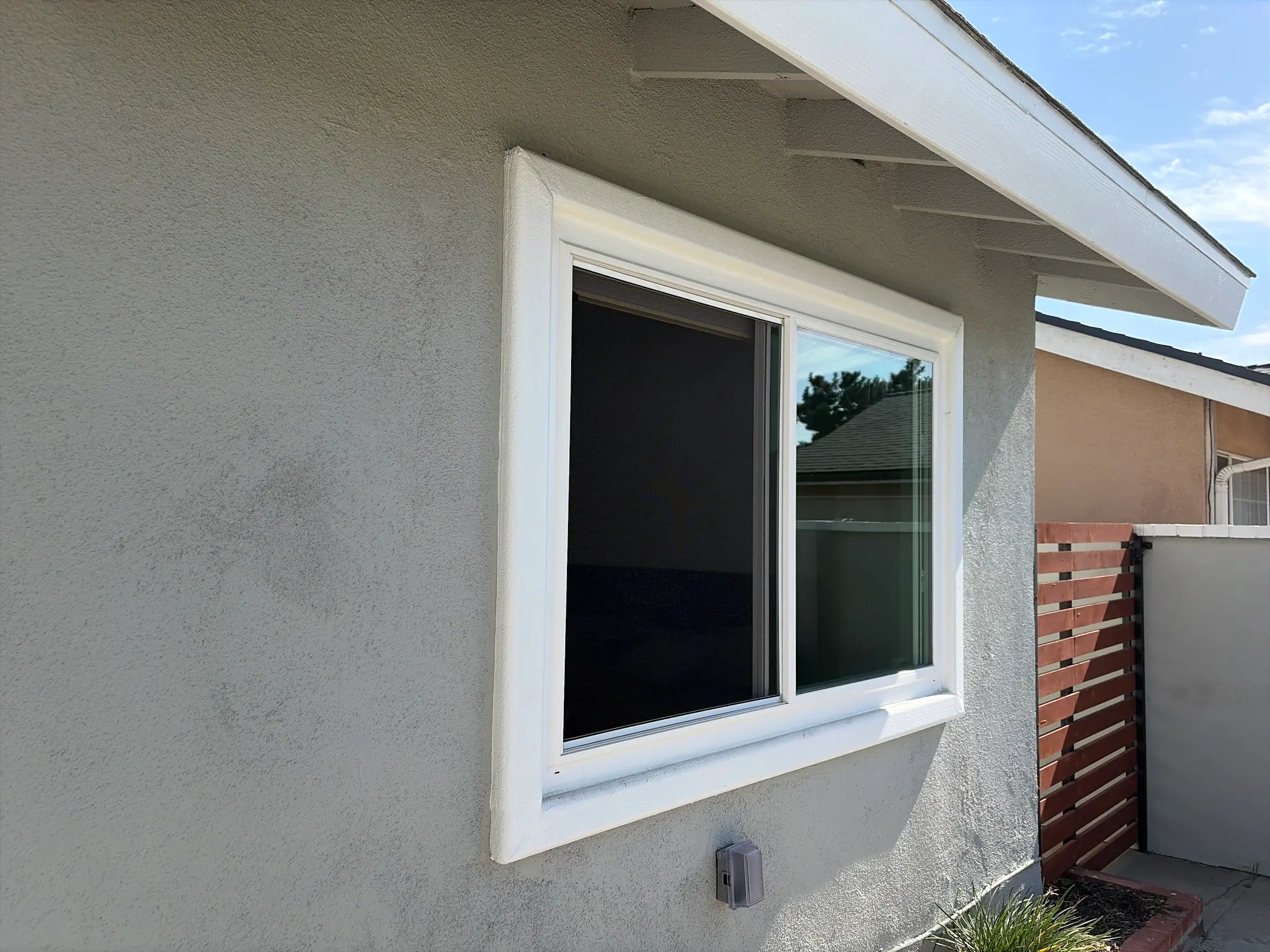
Air conditioning is a rear-guard action: it fights heat that's already inside the house. Every watt of solar energy that comes through a west-facing window at 4 p.m. has to be pumped back out again at your expense. The cheapest kilowatt-hour is the one that never gets in — and that's the entire theory of the solar screen.
How they work
A solar screen is a dense, dark mesh mounted outside the glass, exactly where a normal insect screen sits. Because it's outside, it intercepts sunlight before the window — absorbing and reflecting most of the solar energy so it never becomes indoor heat. That position is the whole trick: interior blinds and curtains block glare, but by the time light hits them it's already through the glass and its heat is in the room. Quality solar mesh stops a large majority of solar energy at the plane of the screen.
The felt result, on the right windows, isn't subtle. Rooms that used to be unusable from mid-afternoon hold their temperature; the AC cycles less; UV fading on hardwood, carpet and furniture slows dramatically. Solar screens also solve a peculiarly Californian problem — sunlight reflecting off energy-efficient windows concentrated hard enough to melt artificial turf. Screen the window, kill the reflection.
Why the Central Valley is solar-screen country
The hotter and longer the summer, the faster solar screens pay rent — which makes Sacramento and the inland valleys our best solar-screen market. Week after week of triple-digit heat pouring through west glass in Elk Grove or Folsom is exactly the load this product exists to intercept. Inland LA (the Valley), inland Orange County and East County San Diego are close behind. On the immediate coast, standard mesh is often the smarter spend — which we'll tell you.
The honest trade-offs
- Light: rooms behind solar screens sit dimmer — think permanent light shade. Many people like the daytime privacy that comes with it; either way, choose it on purpose.
- View: the view out is tinted and softer than through insect mesh.
- Cleaning: dense weave collects dust faster; plan on rinsing them a couple of times a year.
Cover the right windows, not all of them
Whole-house solar is rarely the right answer. The sun does most of its damage through south and west glass; north windows gain little, and shaded windows gain nothing. The usual winning order is the west-facing living spaces first, then south bedrooms. We advise window by window at the visit — solar screen installation is $55 per window booked online, fabricated on-site into aluminum frames like everything we build, and it mixes freely with standard rescreening elsewhere in the same visit.
If your summer afternoons have a room nobody sits in, start there. Count the hot windows and send the form — the quote takes a minute, and the price on the page is the price you pay.